The door trade for the working valley
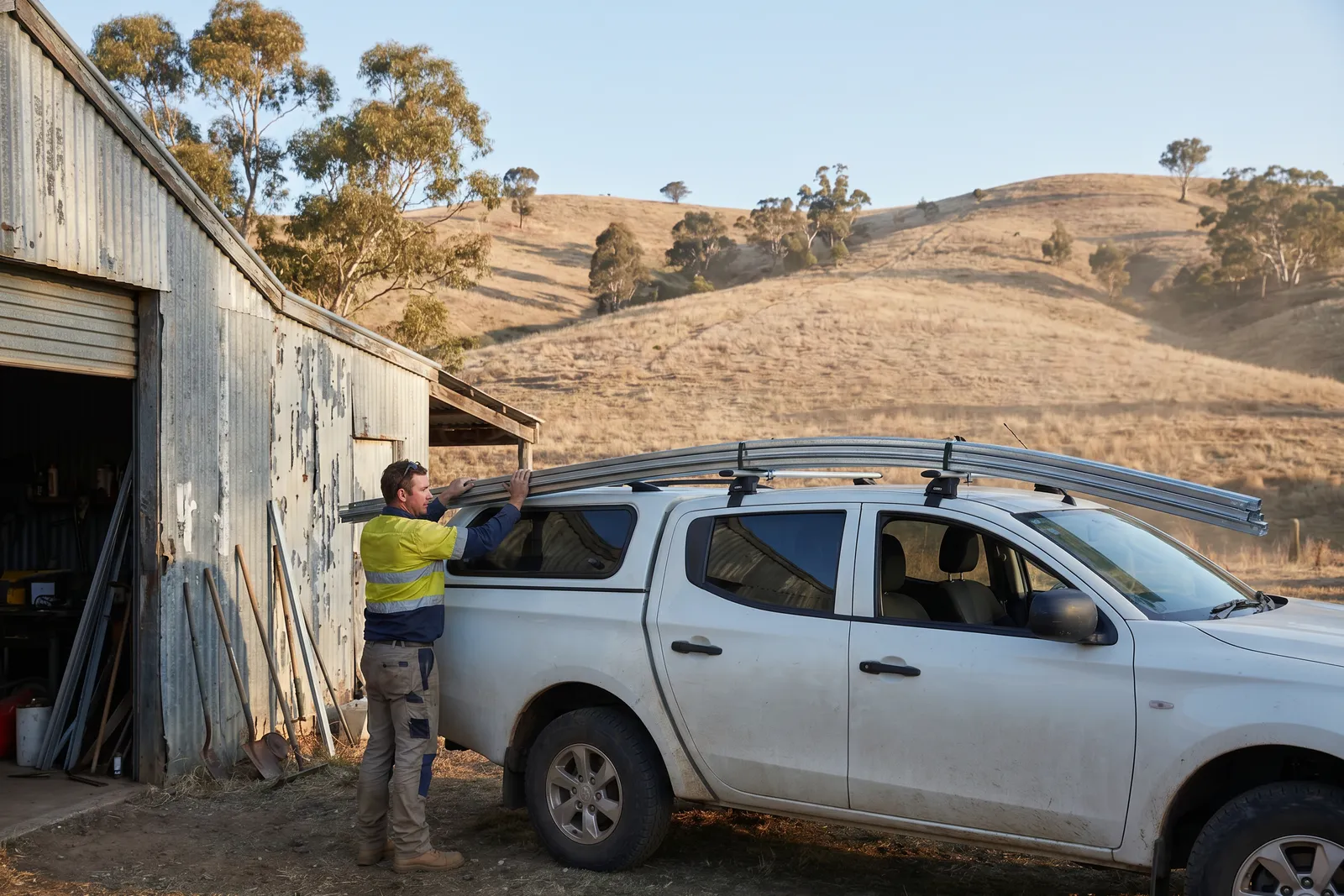
The postcard Hunter is cellar doors and long lunches. The one we work is machinery sheds, despatch roller doors, workshop rollers and the family double, spread across a map where the properties have names and the nearest neighbour is a paddock away. Somebody has to keep all those doors moving. That is the whole business.
What kind of outfit this is
We are a working door contractor, not a showroom. The trade covers the lot: shed doors, everyday repairs, servicing, and new doors and openers, but the thing we actually sell is simpler than any of it. One operator who turns up the distance, looks at every door on the place, and says what is true about each of them.
The style of the thing: measurements before adjectives, a written quote before a single bolt moves, and advice you could repeat to another trade without us blushing. If a door needs a clean and a tension, that is the quote. If it is finished, we say finished, and show you why on the door.
How pricing works, in words
We publish no prices, because an honest door price does not exist until someone has seen the door. What we can publish is the shape of it. Faults are a call-out plus the work and parts once the door can be seen, agreed before the work starts. New doors and servicing are measured on site and quoted in writing, itemised, before anything is ordered. Distance runs, like the Upper Hunter, get bundled so the odometer is shared across the jobs on the run, and we say that plainly on the booking call.
What we will not claim
This trade is thick with badges, and we wear none we have not earned. So, plainly: we work across the major Australian door and opener makes generally, and we are nobody's "authorised dealer". We will not promise same-day anything, because a promise you cannot always keep is a lie with a delay on it; what you get is a booked time and a person who arrives at it. And where a job touches mains wiring, a licensed electrician does that part, every time, because in NSW that is the law and it is also just the right way to wire a shed.
Say what the door needs. Quote it. Turn up. That is the entire trick.
Why the enquiry form is the front door
A written enquiry beats a voicemail: it arrives with the property, the doors, the symptoms and often a photo, which means the phone call back, and there is always a phone call back, starts halfway to a plan. It also means nothing gets lost between a paddock, a shed roof and a phone with one bar. Send it once; we will take it from there.
